Professional Stone Sealing Services
Sealing your stone surfaces is crucial for long-lasting protection against stains, moisture, and daily wear.
- Free on-site assessment
- Written quote before any work begins
- No obligation
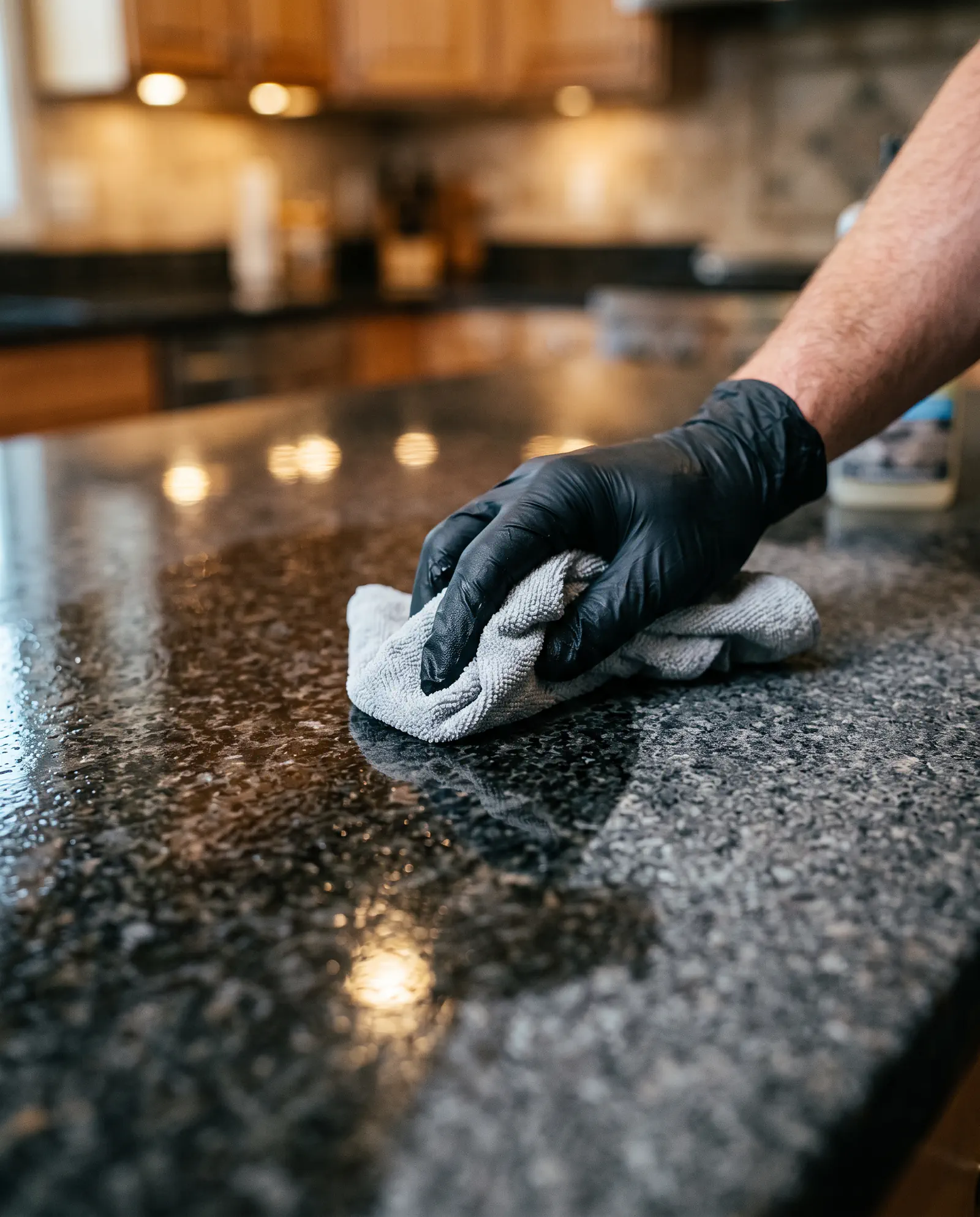
Protect Your Stone with Expert Sealing and Maintenance
At Marble Mechanics, we specialize in sealing and protecting stone surfaces, including granite, travertine, and marble, across Pinellas, Tampa, and Saint Pete, FL.
Our expert team uses the best products to ensure your stone surfaces remain protected.
Call (813) 625-3377 for a free estimate.
Why Sealing Natural Stone is Essential
Natural stone is porous. Granite, travertine, marble and limestone all drink, and what they drink stays in them. A glass of red wine left on an unsealed counter overnight is not sitting on the stone in the morning, it is in the stone, and getting it back out is a different and more expensive job than stopping it going in.
That is the whole argument for professional stone sealing. It is the cheapest work we do and the easiest to put off, and it is the only thing on this page that prevents damage rather than repairing it. The Natural Stone Institute treats sealing as routine maintenance for exactly that reason.
What a Penetrating Sealer Actually Does
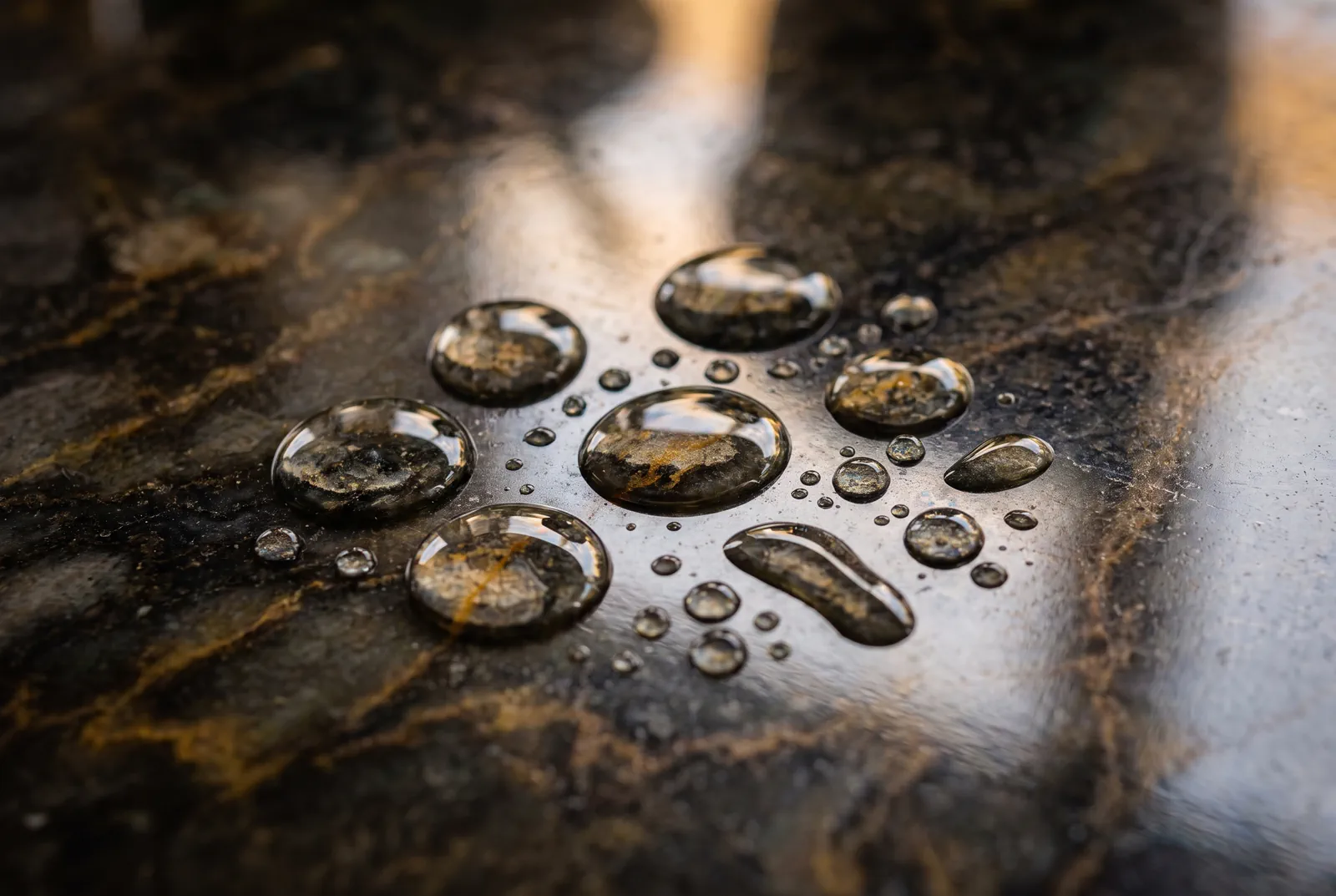
The sealer we use goes into the stone, not onto it. It lines the pores so liquid beads and sits long enough for you to wipe it up, and it leaves the surface looking exactly as it did before. No shine is added. Nothing is laid over the top. Run your hand across a floor we have sealed and you are still touching stone.
That is the opposite of a topical coating, and the difference matters because coatings fail visibly. Wax and acrylic sit on the surface as a film, scuff where people walk, cloud under furniture, and peel at the edges once water gets underneath. Stripping a failed coating is a job in itself, and we are called out to do it often enough that it is worth saying plainly: if a product promises instant shine, it is a coating, whatever the label says.
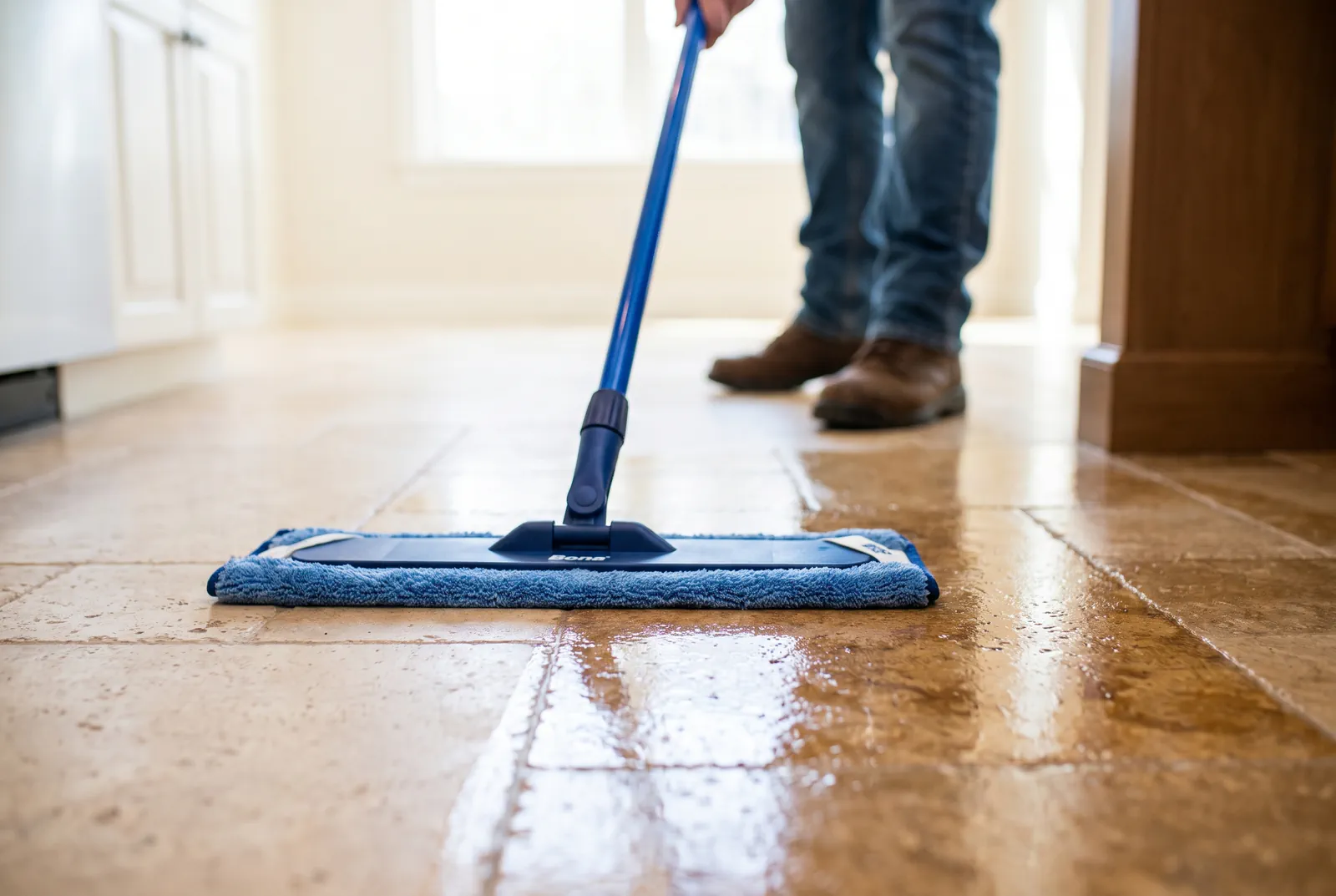
One honest limit. A sealer stops absorption. It does not stop etching. Etching is a chemical reaction, where something acidic dissolves a little of the stone's surface and leaves a dull mark, and it happens on calcium based stone whether sealed or not. Wine, citrus, coffee, vinegar and most bathroom cleaners all do it. Anyone who tells you sealing prevents etch marks is selling you something they cannot deliver.
How to Tell Your Stone Needs Resealing
You can check this yourself in about a minute, on any stone surface in the house, and it costs nothing.
- Put a few drops of water on the stone, somewhere it gets used rather than somewhere it looks good.
- Leave it for several minutes.
- Wipe it off and look at what is underneath.
If the water beaded and the stone underneath is unchanged, the sealer is working. If the water spread out and flattened, or if you are left with a dark patch that slowly fades as it dries, the stone is absorbing and it is ready for resealing. A dark patch that fades is water in the stone, not a stain, and it is the clearest signal you will get.
Test where the work actually happens. The strip of counter beside the sink, the shower floor, the entry inside the door, the area around a tap. Those go first. A sealed floor rarely fails everywhere at once, it fails where it is used, which is also where a stain is most likely to land.
If you would rather not guess, call and we will come and do it. The assessment is free, it takes a few minutes, and you get a straight answer about which surfaces need sealing and which ones can wait. Oscar has been testing stone across Tampa Bay for 27+ years and would rather tell you to leave a floor alone than sell you work it does not need.
Sealing Marble, Travertine, Granite and Limestone
People ask how often stone should be sealed and want a number. The honest answer is that the stone decides, and the stones we work on decide differently.
Marble is calcium based and takes sealer readily, but polished marble is tighter than honed marble and absorbs more slowly. A honed marble floor in a busy hallway and a polished marble vanity in a guest bathroom are the same stone with completely different resealing intervals.
Travertine is the most absorbent stone in most Florida homes. It formed with holes in it, and even filled and honed flush, it drinks faster than marble. Outdoors on a pool deck, with sun and rain and splash-out, it works harder than anything else we seal.
Granite is the densest of the four and some granite barely needs sealing at all. A dark, tight granite can repel water for a long time, while a light, open one absorbs around the sink within a year. Two granite counters in the same kitchen can need different treatment, which is why we test rather than assume.
Limestone is the softest and the most porous, and it is the one where putting sealing off costs the most. It stains readily and it etches readily, and on an outdoor limestone surface in this climate the sealer is doing real work every day.
That is four answers to one question, which is why we do the water test on your stone instead of quoting an interval over the phone.
Why Pinellas Is Harder on Sealed Stone
A sealed floor in Palm Harbor and the same floor inland are not doing the same job. Pinellas sits on a peninsula, and three things come with that.
Salt air. On the Gulf side it reaches everything, and it does not stop at the door. Salt is carried in on feet and settles on outdoor surfaces continuously. On a lanai, a pool deck or an entry, it works into an unsealed surface and stays there.
Humidity. Stone that never fully dries behaves differently from stone that does. Shower walls and floors are the obvious case, but so is any north-facing outdoor surface that sees little direct sun. Damp stone holds what lands on it for longer, which gives a spill more time to become a stain.
Hard water. Tampa Bay water leaves mineral deposits, and they build on glass, on fittings and on stone. On a sealed surface they sit on top and wipe away. On an unsealed one they bond into the pores, and removing them later is a restoration job rather than a cleaning one.
None of this is a reason to panic about a stone floor. It is the reason professional stone sealing is worth more here than it would be in a drier state, and the reason we ask what a surface is exposed to before we recommend anything.
Custom Maintenance Plans for Long-Term Protection
We offer tailored Maintenance Plans designed to meet the specific needs of your stone surfaces. These plans include regular cleaning, sealing, and inspections to ensure your stone remains in optimal condition throughout the year, especially before storm season hits.
- Scheduled Cleanings and Sealing: Keep your stone protected and looking fresh with routine care and sealant applications.
- Proactive Inspections: Catch and address any signs of wear or damage early, preventing costly repairs.
- Expert Recommendations: Get personalized advice for additional treatments to maintain long-term beauty.
A plan matters most on the surfaces you are least likely to think about. Kitchen counters get noticed because you stand at them every day. The pool deck, the lanai floor, the outdoor kitchen and the entry are the ones that quietly stop repelling water, and they are also the ones taking the most weather. By the time an outdoor surface looks like it needs attention, it has usually been absorbing for a while.
None of this needs to be a contract. For most homeowners a plan is simply us coming back to test the same few spots at a sensible interval and telling you honestly whether anything is due. That is what professional stone sealing looks like once the first job is done: not a product you reapply on a schedule, but someone checking the stone and acting when the stone says so.
Pre-Sealer Surface Preparation
Before applying a protective sealer, it's essential to ensure the stone surface is thoroughly cleaned and prepped for optimal sealing results. At Marble Mechanics, we start by using either a power scrubber with a floor buffer or pressure washing, depending on the surface and its condition. These methods effectively remove built-up dirt, grime, and any previous sealants or residues that may interfere with the new sealer's penetration. The power scrubber is ideal for indoor stone surfaces, ensuring a deep, even clean, while pressure washing is perfect for exterior stone, tackling tough dirt and stains with high-pressure water. Once the surface is clean and completely dry, we proceed with applying the sealer, ensuring maximum protection and durability for your stone surfaces.
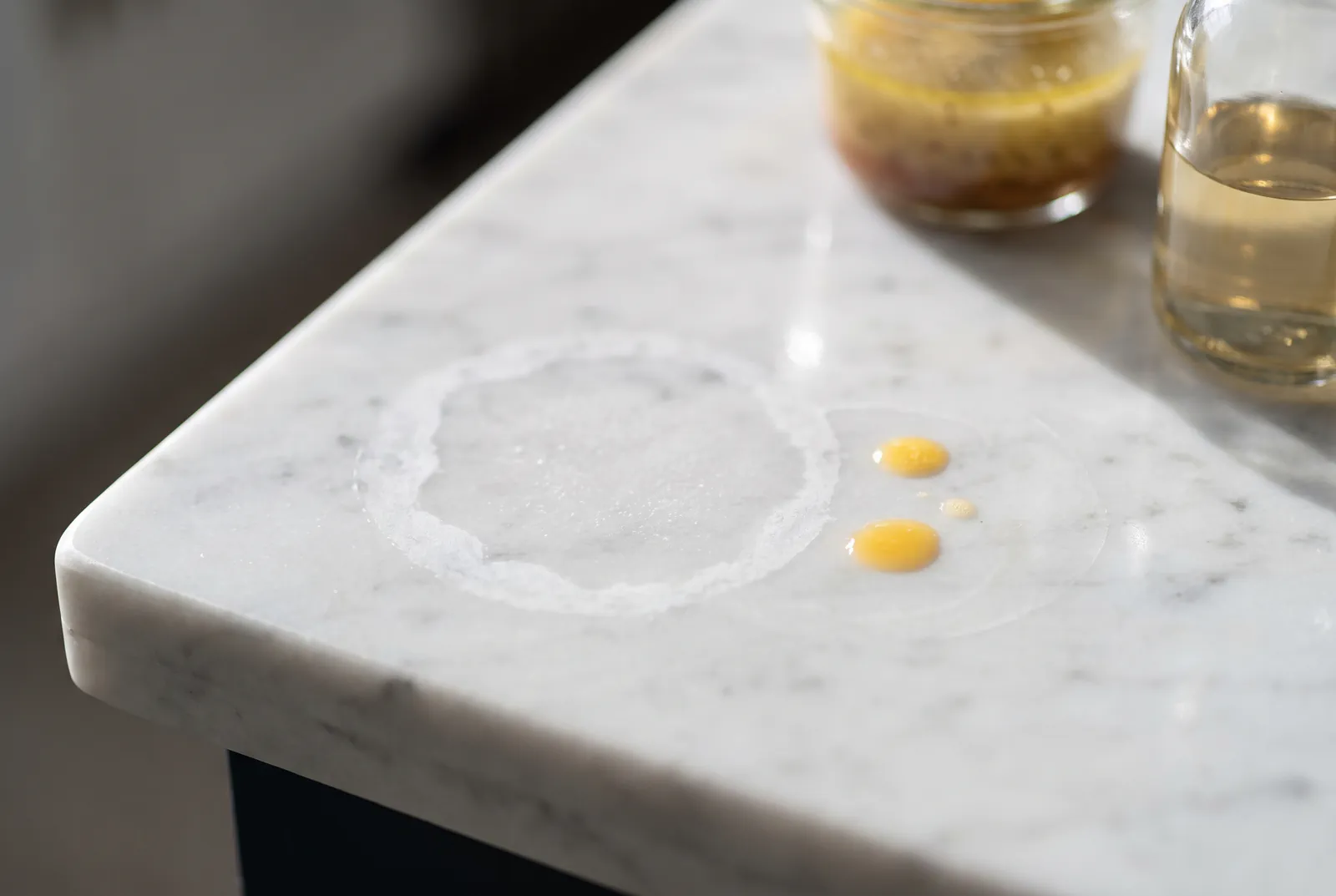
Our Surface Preventive Maintenance Services
Granite Sealing Services
Granite is a popular choice for both countertops and exterior surfaces due to its durability and elegance. However, without proper sealing, granite can become vulnerable to stains from liquids like oil, wine, or juice. Our granite sealing process ensures that your countertops and stone surfaces are protected with the best granite sealer, making them resistant to moisture and daily wear. For chip repair, crack repair and polishing, see our granite restoration Tampa page.
Travertine Sealing Services
Travertine is a beautiful but porous stone that requires sealing to maintain its appearance and durability. Our travertine sealer forms an invisible layer that prevents water absorption and staining, ensuring your floors and outdoor spaces stay in top condition. Regular sealing is essential to keep travertine looking its best, whether it's in your shower, patio, or walkway.
Marble Sealing Services
Marble is a luxurious stone that needs proper care to retain its shine and elegance. Our marble sealing service protects against everyday spills and potential etching from acidic substances, like lemon juice or vinegar, keeping your marble surfaces pristine.
With our professional cleaning, scrubbing, sealing, and restoration services, your stone will be safeguarded from stains, wear, and the elements. Whether you need to seal granite countertops, restore travertine, or maintain marble surfaces, our expert team is ready to provide exceptional care. At Marble Mechanics, we're committed to ensuring your stone surfaces stay protected, beautiful, and durable for years to come.
What Happens When We Seal Your Stone
Every job starts with a free on-site assessment, and the assessment is not a formality. Oscar Tineo looks at the stone, tests how it is absorbing, and tells you what actually needs sealing. Sometimes that is the whole floor. Sometimes it is the pool deck and nothing else. If a surface does not need it yet, we say so, and that costs us a job we did not need to do.
We identify the stone first. Marble, travertine, granite and limestone take sealer differently, and so does the same stone at a different finish. This is also where we find out whether a previous product was topical, because a coating has to come off before anything can go in.
Then the surface is prepared. This is most of the work on anything that has been in use. A sealer locks in whatever is underneath it, so soap film in a shower, hard water deposits around a tap, grease near a cooktop and old wax on a floor all have to be gone first. Sealing over them makes them permanent. Preparation is the step that separates professional stone sealing from a bottle bought at a hardware store.
The stone has to be dry. Properly dry, not surface dry, because a penetrating sealer needs open pores to get into. In Florida humidity that takes longer than people expect, and rushing it is the most common reason a sealing job underperforms.
The sealer goes on, and the excess comes off. It is worked into the stone and given time to be absorbed, then everything still sitting on the surface is removed before it can dry. Excess sealer left to cure is a haze that is harder to deal with than whatever the sealing was meant to prevent.
We check it before we leave. Water on the finished surface, in the places that get used. It should bead. If part of the floor has taken the sealer differently, and absorbent stone sometimes does, that area gets another pass rather than a note in a report.
Wet work, minimal dust, and you do not need to leave the house. We will tell you how long to stay off the surface before it goes back into normal use, and that depends on the stone and the day rather than on a number we could print here.
Stone Sealing FAQ
The questions homeowners ask us most, answered before you book.
Is sealing marble worth it?
Yes, and it is the cheapest work we do. Marble is porous, so an unsealed counter or floor absorbs whatever is spilled on it, and a stain that has soaked in is a far bigger job than preventing it. Sealing will not stop etching, which is a chemical reaction rather than absorption, and anyone who tells you otherwise is overselling it.
Is it a good idea to seal travertine?
Travertine is the most absorbent stone in most Florida homes, so yes. It formed with holes in it, and even once those are filled and honed flush it drinks faster than marble or granite. Outdoors on a pool deck, with sun, rain and splash-out, sealed travertine is doing real work every day.
Can marble be permanently sealed?
No. Every penetrating sealer wears, and how fast depends on the stone, the traffic and what the surface is exposed to. A product sold as permanent is either a topical coating, which will cloud and peel, or a claim nobody can stand behind. We would rather reseal your marble when it needs it than sell you something that fails quietly.
Can I seal marble myself?
You can, and for a small vanity it may be the right call. Two things catch people out. The surface has to be genuinely clean and dry first, because sealing over a stain seals the stain in. And excess sealer left on the surface dries as a haze that is harder to remove than the original problem. On a floor, or anywhere already showing marks, it is worth having someone look first.
How often does travertine need to be sealed?
The travertine decides, not the calendar. A sheltered indoor floor goes far longer than a pool deck in full sun. Put a few drops of water on the surface where it actually gets used, leave it several minutes, then wipe it off. If you are left with a dark patch that fades as it dries, the stone is absorbing and it is ready.
How often should a marble floor be sealed?
It depends on the finish and the traffic. Polished marble is tighter than honed marble and absorbs more slowly, so a honed floor in a busy hallway and a polished one in a guest bathroom need different intervals. Test where the work happens, the entry inside the door or the strip beside the sink, rather than somewhere the floor still looks new.
Should I have my granite professionally sealed?
Some granite barely needs it. Granite is the densest stone we seal, and a dark, tight slab can repel water for a long time, while a lighter, more open one absorbs around the sink within a year. Two counters in the same kitchen can need different treatment. We test rather than assume, and if yours does not need sealing yet we will tell you.
Should you clean stones before sealing?
Always, and it is the step that gets skipped. A sealer locks in whatever is on the surface when it goes down, so sealing over a stain, a soap film or hard water deposits makes all three permanent. Preparation is most of the job on any surface that has been in use, which is why we assess before we quote.
At home in Tampa Bay.
Marble Mechanics seals natural stone across Pinellas, Tampa and St. Pete, and throughout Tampa Bay. Call to check availability in your neighborhood.
Hillsborough County 33
Tampa, South Tampa, Davis Islands, Hyde Park, Bayshore Beautiful, Palma Ceia, Beach Park, Culbreath Isles, Avila, Swann Estates, Harbour Island, Westshore, Channelside, Brandon, Riverview, Valrico, Seffner, Mango, Lithia, Fish Hawk, Plant City, Ruskin, Sun City Center, Apollo Beach, Gibsonton, Carrollwood, Lutz, Temple Terrace, Westchase, New Tampa, Town N Country, Ybor City, Seminole Heights
Pinellas County 19
St. Petersburg, Clearwater, Largo, Dunedin, Palm Harbor, Safety Harbor, Tarpon Springs, Tierra Verde, St. Pete Beach, Treasure Island, Madeira Beach, Indian Rocks Beach, Redington Beach, Indian Shores, Seminole, Pinellas Park, Gulfport, Belleair, Pass-a-Grille
Pasco County 9
Wesley Chapel, Land O Lakes, New Port Richey, Port Richey, Hudson, Odessa, Trinity, Zephyrhills, Dade City
Manatee County 8
Bradenton, Palmetto, Lakewood Ranch, Anna Maria Island, Holmes Beach, Longboat Key, Parrish, Ellenton
Sarasota County 5
Sarasota, Osprey, Venice, Nokomis, Siesta Key
Polk County 5
Lakeland, Winter Haven, Auburndale, Bartow, Davenport